Plymouth Roof Types: Slate, Clay and Concrete Explained
Plymouth's history has given it a real mix of roofs. The city has ancient corners like the historic Barbican, streets of Victorian terraces on the Hoe and in Stonehouse, and a great deal of housing built in the rebuilding that followed the war. Walk across the city and you will pass roofs of slate, clay and concrete, each ageing differently and each needing a slightly different touch when it comes to cleaning.
Knowing what covers your roof is genuinely useful. It tells you what to expect as it ages, why it might be greening over, and why a careful cleaner never treats every roof the same. This guide runs through the main roof types found on Plymouth homes and how to look after each one.
The quick answer: Plymouth roofs are usually slate, clay or concrete. All three can be cleaned safely with a low pressure soft wash, but each has its own weak points, so the method should be matched to the material rather than blasted with a one size fits all pressure washer.
1. Natural slate, the older standard
Slate is common on Plymouth's Victorian and older homes. Welsh slate was shipped along the coast in the nineteenth century and became the standard covering for terraced housing, valued for being thin, light and long lasting. Many of those roofs still serve well over a century later.
The characteristic weakness of slate is age related. Old slates delaminate, flaking into thin layers, and the fixing nails corrode and fail so that slates slip out of place, something the coastal wind quickly exposes. Weathering also roughens the once smooth surface, letting moss and lichen take hold.
Because aged slate is brittle and prone to slipping, it must be cleaned gently. High pressure water can shatter slates or drive water up under them, so a low pressure treatment is the only sensible approach.
2. Clay tiles, warm colour and character
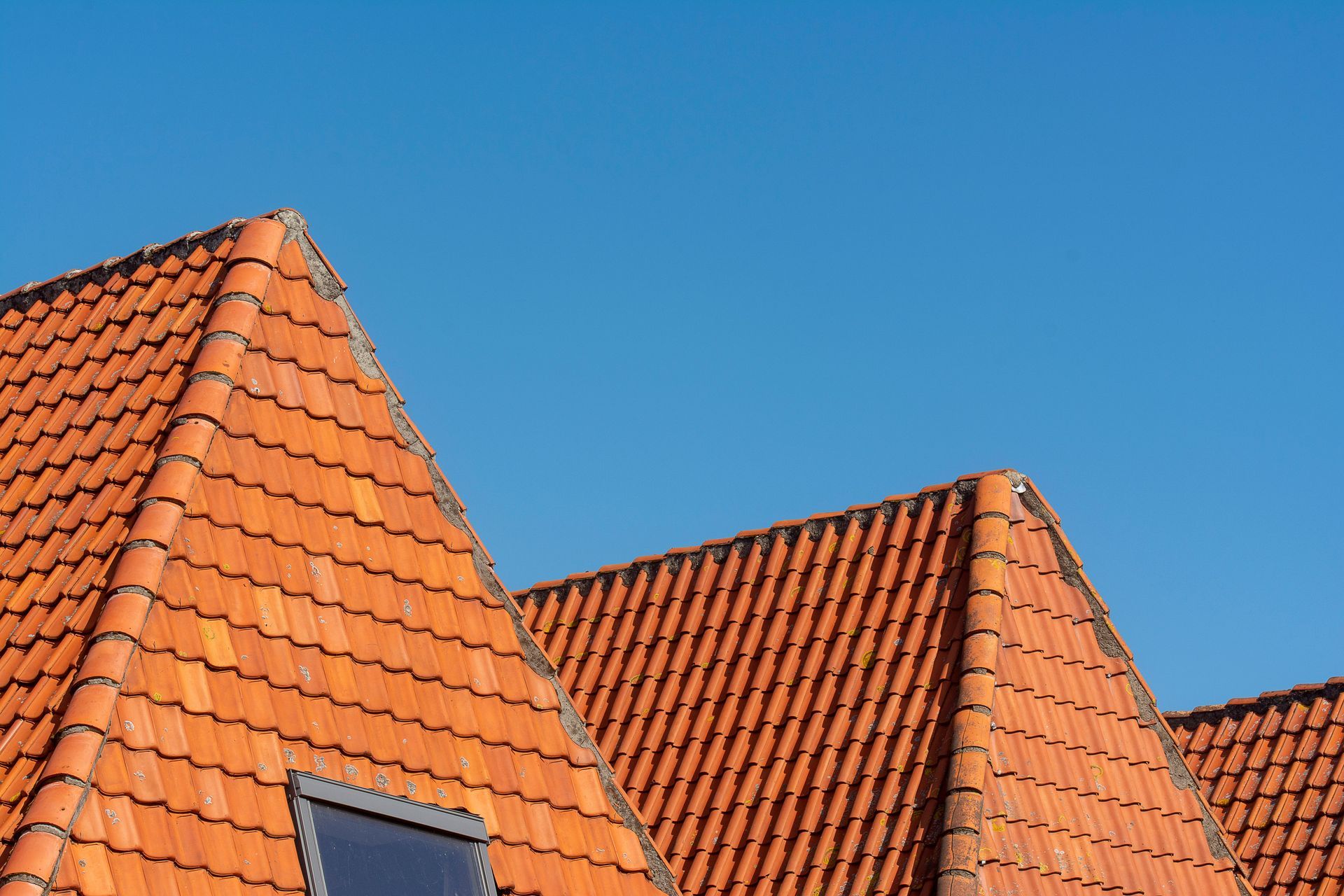
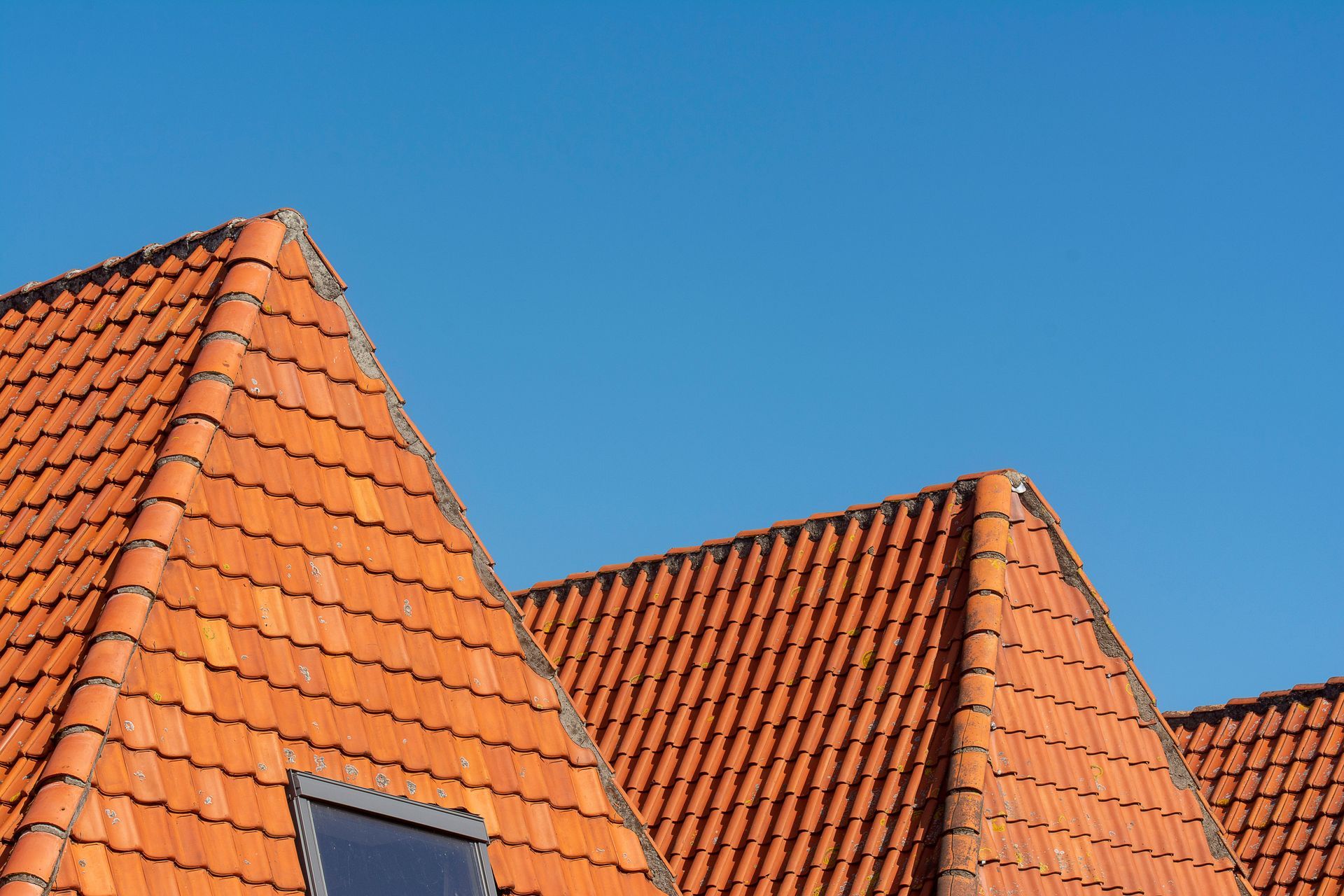
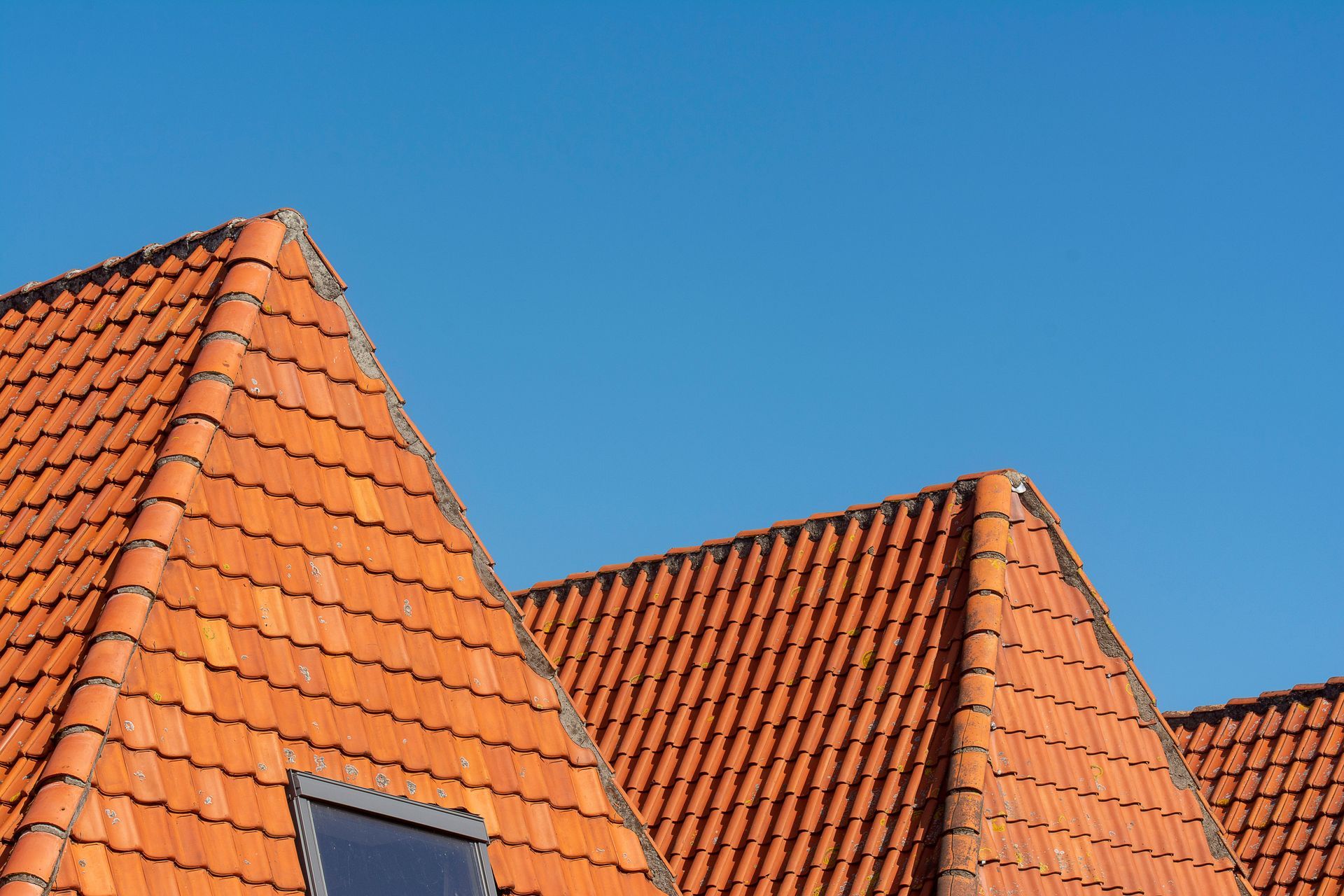
Clay tiles give many Plymouth roofs their warm red and orange tones, common on later Victorian, Edwardian and traditional homes. Fired from natural clay, they hold their colour for decades and suit the city's older streets.
Clay ages by developing a softer, more absorbent surface that moss clings to readily, and individual tiles can become brittle and crack, particularly after a frost. As with slate, the details such as ridges and valleys tend to need attention before the open slopes do.
A gentle clean suits clay. Blasting weathered clay with a pressure washer can strip its surface and crack tiles, whereas a soft wash removes the growth and rinses it away at low pressure without damage.
3. Concrete tiles, the modern workhorse
The rebuilding of Plymouth after the war, and the housing that followed, brought a great many concrete tiled roofs to the city. Concrete tiles are larger, heavier and cheaper than clay or slate, and they cover a huge number of Plymouth's mid twentieth century and later homes.
Concrete tiles start life with a coloured protective coating, but that coating wears away over the years, and the salty coastal air can hasten that weathering. Once the coating goes, the surface becomes rougher and more absorbent, and moss and algae really move in. It is common to see a relatively young concrete roof heavily greened simply because the surface has weathered.
Concrete is tougher than slate or clay, but aggressive pressure washing still erodes the surface and shortens the tile's life. A controlled soft wash cleans concrete effectively without wearing it down.
4. How to tell what your roof is made of
You do not need to climb up to get a reasonable idea of your roof covering. A few clues from the ground usually give it away, and knowing the type helps you understand how it will behave.
- Slate looks thin, flat and smooth, usually grey or blue grey, in neat overlapping rows.
- Clay tends to be warm red, orange or brown, often with a slightly uneven, handmade look on older roofs.
- Concrete is thicker and chunkier, often with a contoured profile, and looks grey or faded where the coating has worn.
- Heavy greening on a fairly modern roof is a strong hint that it is concrete with a worn surface.
- Slipped individual units on an old terrace usually points to slate suffering from age and failing nails.
If you are unsure, a professional can identify the covering at a glance and tell you what condition it is in.
5. Why one method does not fit all
The thread running through all three materials is that none responds well to brute force. Slate cracks and slips, clay loses its surface and shatters, and even hardy concrete erodes under a powerful jet. A cleaner who reaches for the same high pressure lance regardless of the roof risks damage on every one.
Soft washing sidesteps that entirely. By using low pressure water with a biocide that kills moss, algae and lichen at the root, it cleans slate, clay and concrete alike without stressing the material. The growth dies off and washes away, and the tiles are left intact.
The treatment also keeps working for months, slowing regrowth in Plymouth's damp, salty climate, so a roof stays cleaner for longer whatever it is made of.
6. Looking after the details
Whatever the tile, a roof is only as good as its details. Ridge tiles, the mortar bedding them, the valleys between slopes and the lead flashing around chimneys all keep water out, and these tend to fail first, especially under the strain of coastal wind and salt. A thorough clean is a good moment to check them, catching small problems before they become expensive.
Frequently Asked Questions
How do I know if I have slate or concrete tiles?
Slate is thin, flat and smooth, usually grey. Concrete is thicker and chunkier, often contoured, and tends to green over as its coating wears. A professional can confirm at a glance.
Is one tile type easier to keep clean?
Newer, smoother surfaces shed growth a little better, but Plymouth's damp, salty climate means all three attract moss once weathered. Regular soft washing keeps any of them clear.
Can concrete tiles be pressure washed since they are tougher?
It is still best avoided. Aggressive pressure washing erodes the surface and shortens the tile's life. A controlled soft wash cleans concrete just as well without the wear.
My clay tiles have faded, does cleaning restore the colour?
Cleaning removes the moss and grime dulling the surface, bringing back much of the original tone. It cannot re colour genuinely weathered tiles, but the improvement is usually clear.
Does the tile type change how often I need cleaning?
Somewhat, but shade, exposure and salt matter more. A weathered concrete or aged clay roof in a damp, exposed coastal spot needs more frequent attention whatever the material.
Not sure what your Plymouth roof is made of?
Ben's Roof Cleaning cleans slate, clay and concrete roofs across Plymouth and Devon, with over 15 years of experience and a method matched to your tiles. Get in touch or call 01752 427649
for a free, no-obligation quote.
Match the method to the material
Slate, clay and concrete each tell a chapter of Plymouth's building story, from the historic Barbican to the post war rebuilding. Each asks for a slightly different kind of care, but all share a dislike of brute force and a vulnerability to the city's damp, salty coastal climate. A gentle soft wash, tailored to the covering and paired with a proper check of the details, keeps any of them clean and sound. Know what is over your head, treat it accordingly, and your roof will repay the care with years of reliable service.