Lichen, Algae or Moss? Identifying What Is Growing on Your Plymouth Roof
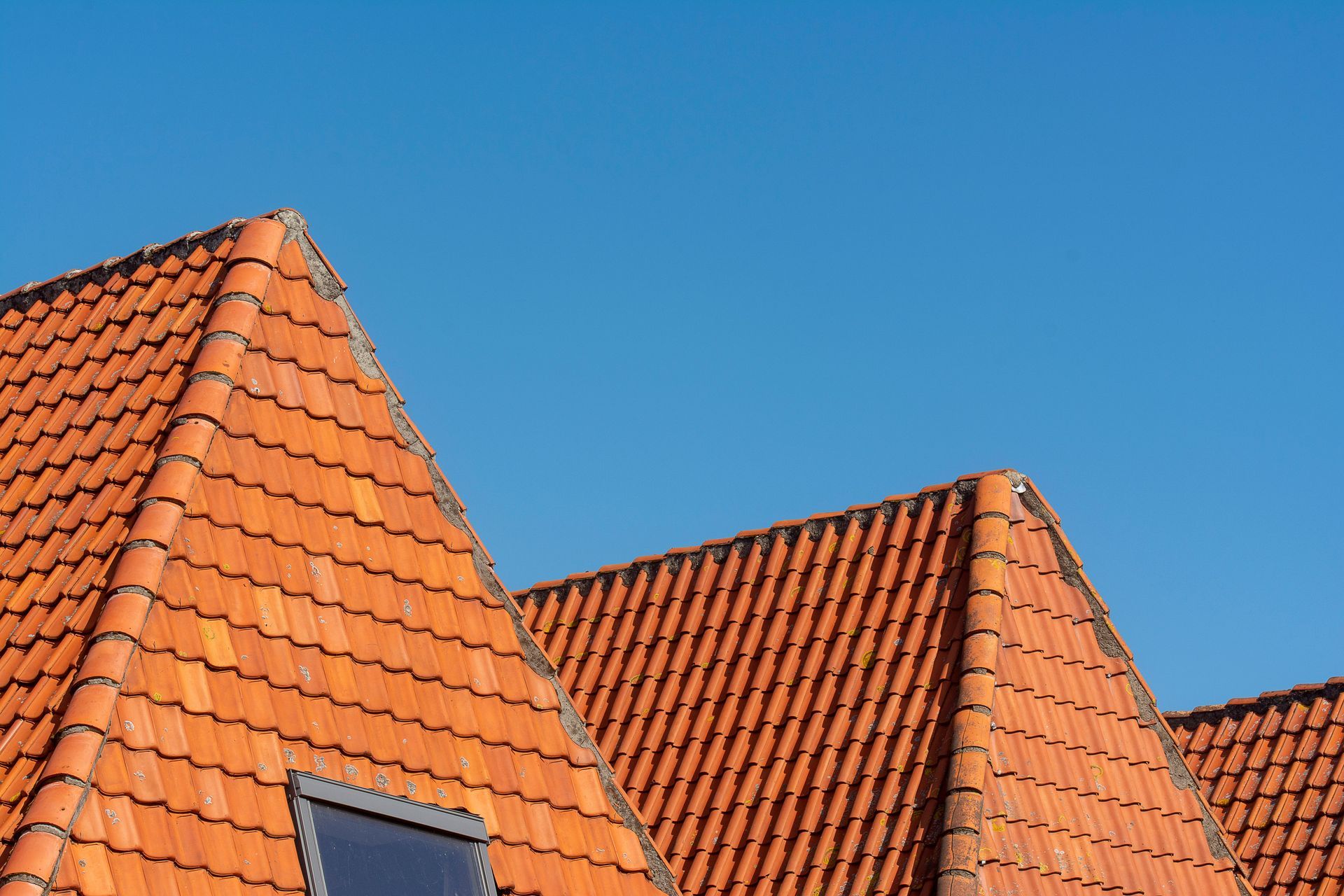
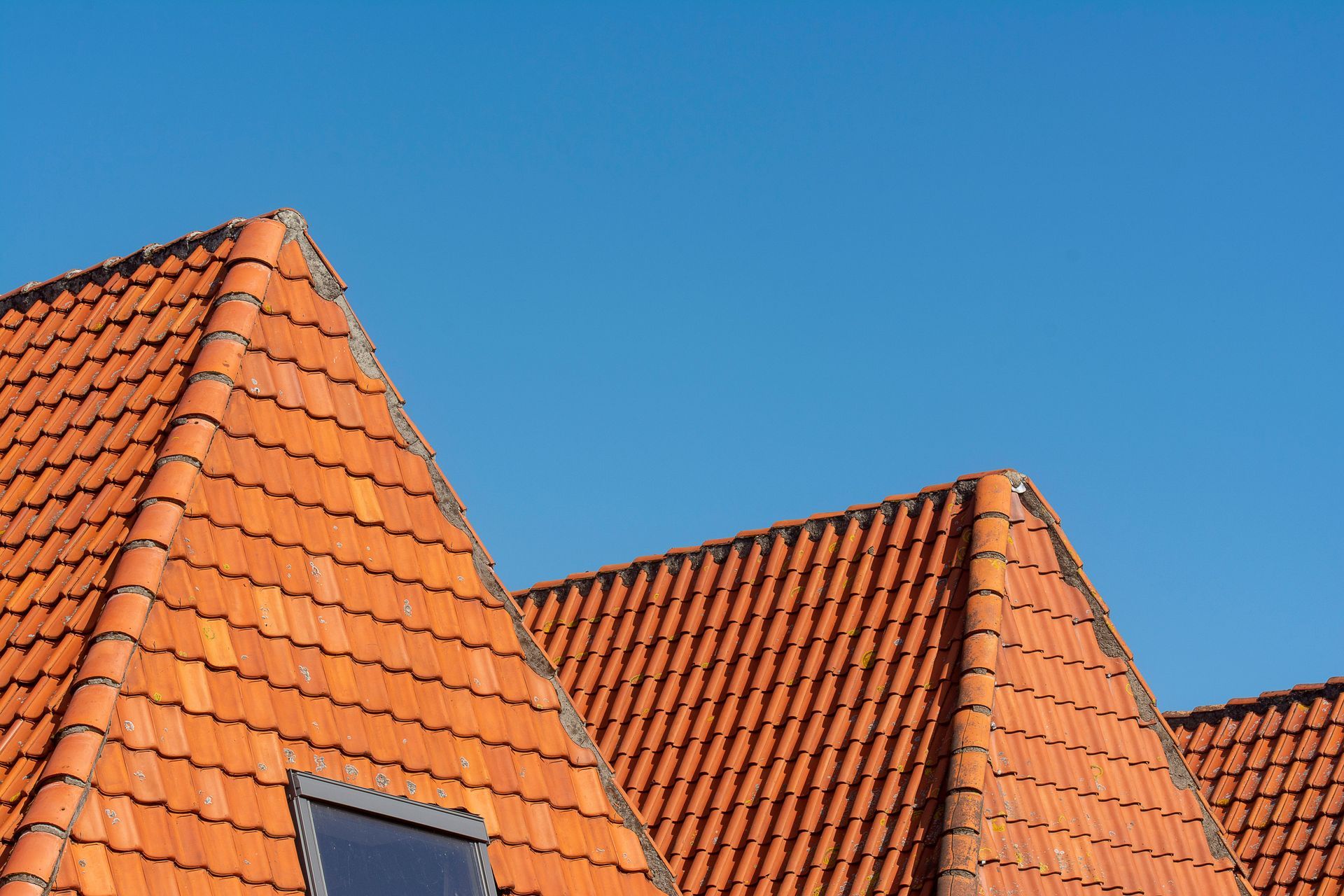
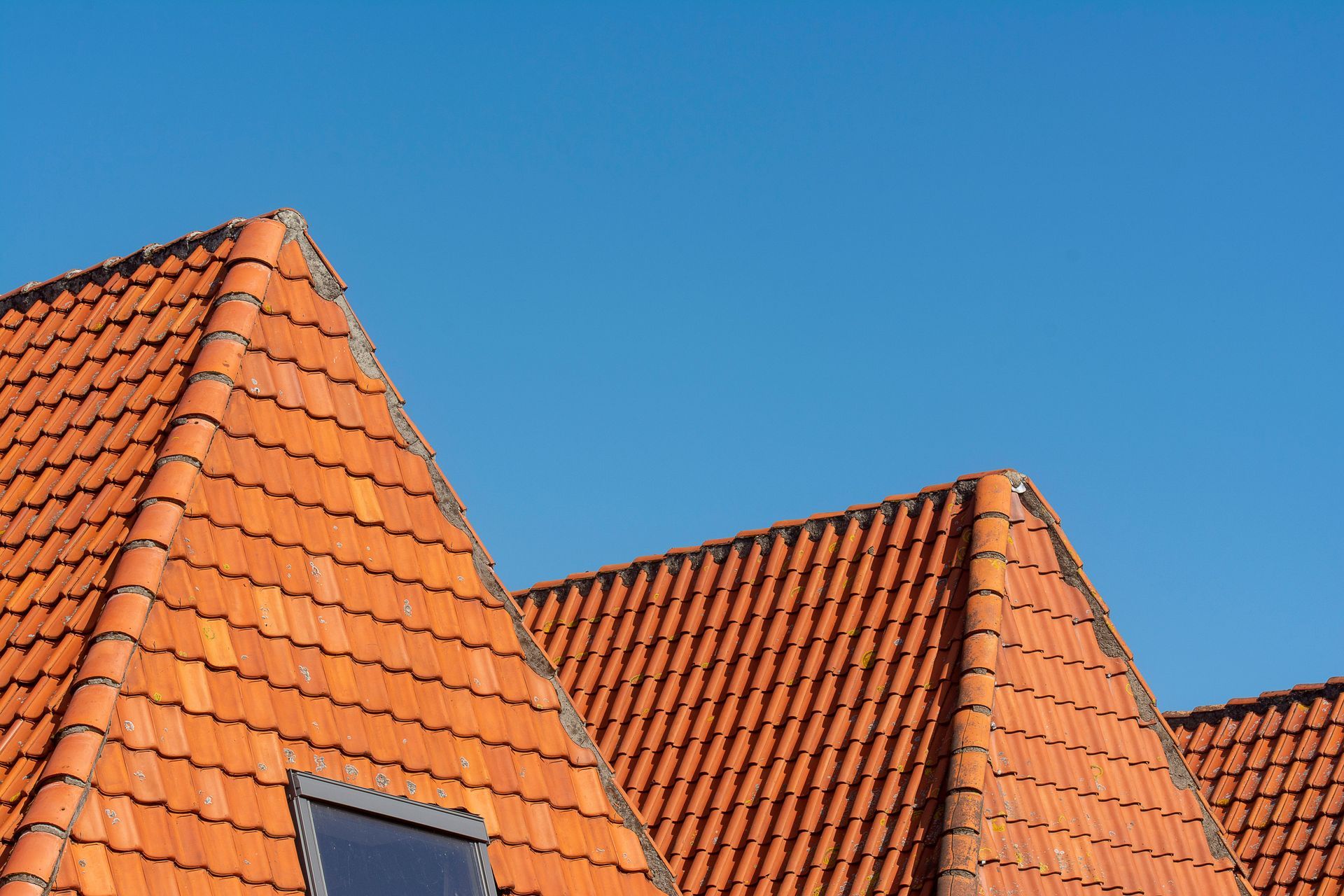
Stand at the end of your garden and look up at the roof. That green, black or grey mess spreading across the tiles is not just one thing. It is usually a mix of algae, moss and lichen, three very different organisms that happen to enjoy the same damp Devon conditions and end up living side by side on Plymouth rooftops.
Telling them apart is more useful than it sounds. Each behaves differently, each affects your roof in its own way, and each responds to treatment on its own terms. This guide helps you work out what you are actually looking at, so you understand your roof rather than simply worrying about it.
The quick answer: Dark streaks are almost always algae, thick green cushions are moss, and flat crusty patches in grey, white or orange are lichen. Most Plymouth roofs carry all three at once. Soft washing with a biocide is the safe way to remove the lot without damaging the tiles or slates beneath.
1. Algae: the dark streaks running down your tiles
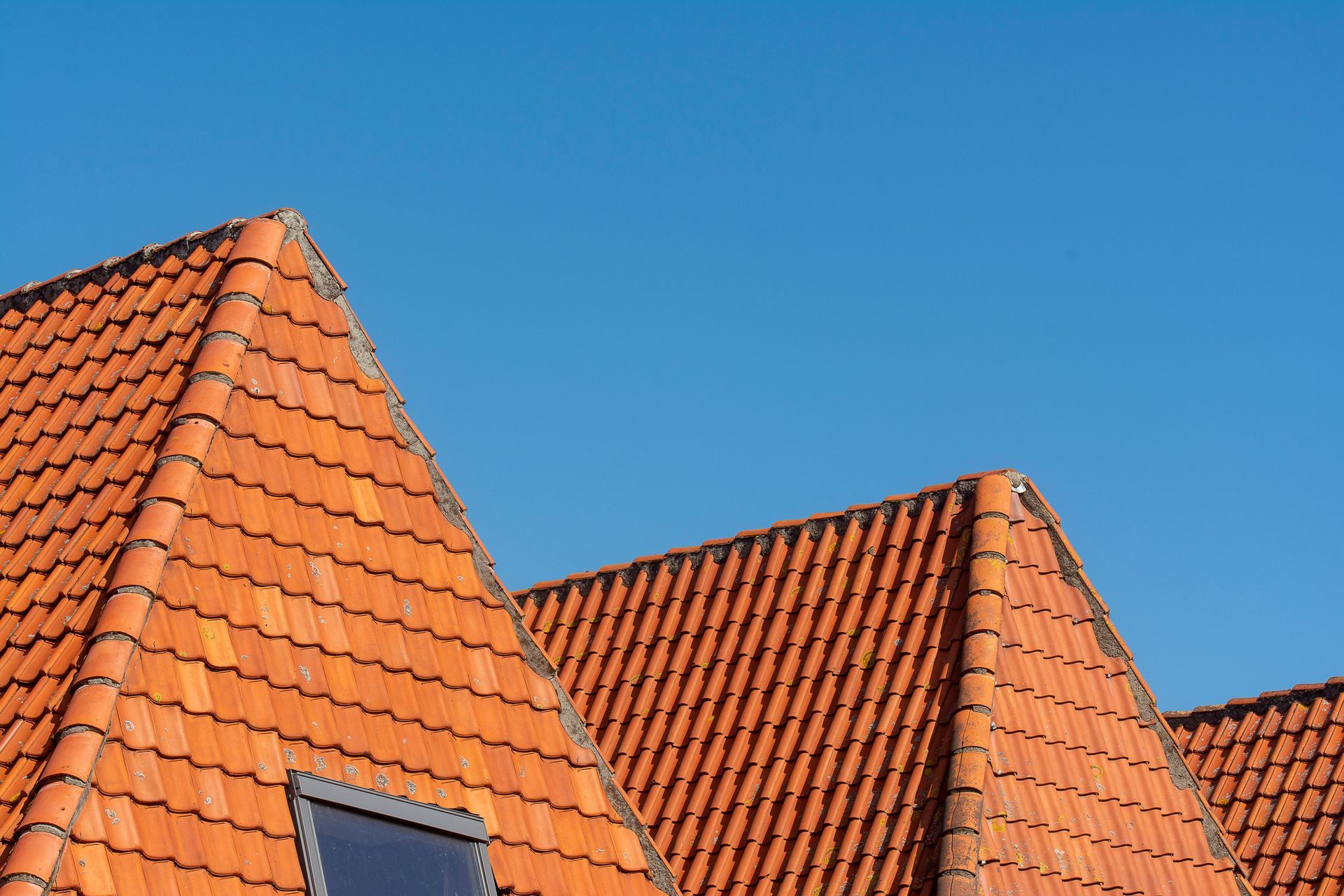
Algae is the culprit behind those long black or dark green streaks that run down a roof from the ridge towards the gutter. It is not dirt, though it is often mistaken for it, and no amount of hoping will make it wash off in the rain. In fact, rain tends to spread it further.
It thrives on moisture and feeds on the surface of the tiles, which is why the shaded, damp slopes so common across Plymouth are ideal for it. Algae is mostly a cosmetic problem in its early stages, but it creates the damp, textured surface that moss and lichen then move into. Left alone, it is often the first sign that a roof is on its way to a fuller green coat.
2. Moss: the thick green cushions along the edges
Moss is the one everyone recognises. It forms spongy green cushions, usually gathering along the bottom edges of tiles, in the gaps between them and anywhere water lingers. On older Welsh slate roofs in areas like Mutley and Peverell it can build up into surprisingly deep clumps.
Unlike algae, moss holds water like a sponge, keeping the tiles damp long after the rain has stopped. It can lift the edges of tiles, block the flow of water and, in cold snaps, that trapped moisture can freeze and expand. Have you spotted little green fragments of it collecting in your gutters or on the path below? That is a clear sign the moss on your roof is well established and shedding.
3. Lichen: the flat, crusty patches
Lichen is the most stubborn of the three and the one people most often misidentify. It appears as flat, crusty patches in shades of grey, pale green, white or even orange, and it clings tightly to the tile surface. It is a curious partnership of fungus and algae living together as a single organism.
Because it grips so firmly and grows so slowly, lichen is difficult to remove and almost impossible to scrub off without harming the tile. It is a sign of an older, undisturbed roof and clean air, which is a mixed compliment. Removing it properly calls for the right biocide and patience rather than brute force.
4. Why Plymouth roofs grow all three so readily
Our location does the organisms a great many favours. The damp air rolling in off Plymouth Sound, frequent Atlantic rain and the mild winters mean roofs rarely dry out fully for long. Shaded valleys and north facing slopes across the city stay moist for days, giving algae, moss and lichen the conditions they crave.
Mature trees in the older residential streets add shade and drop organic debris that feeds the growth. Combine that with the salt in the coastal air and you have a recipe for roofs that green up quickly. It is nothing to be ashamed of, it is simply the price of living somewhere this green and this close to the sea.
5. Why identifying the growth actually matters
Knowing what you have helps you understand the risk and the right response. Algae is largely cosmetic but is the warning shot. Moss is the one most likely to cause real trouble by trapping water and lifting tiles. Lichen is mainly an appearance issue but is the hardest to shift and needs the most careful treatment.
This matters because it shapes the approach. A roof heavy with moss needs gentle removal of the bulk before treatment, while a roof dominated by lichen needs a biocide left to do its slow work over time. A one size fits all blast ignores all of this, which is another reason high pressure cleaning so often does more harm than good.
6. What soft washing does to each of them
Soft washing is well suited to all three because it treats the cause rather than just scraping the surface. Low pressure water lifts away the loose moss without cracking tiles or forcing water underneath them, and the biocide then goes to work on what remains, including the algae and lichen that cling on tightly.
The real value is in what happens after the visit. The biocide continues to kill off spores at the root, so the roof keeps clearing in the weeks that follow and stays cleaner for far longer than a quick scrub ever manages. It is a method that respects the roof and deals with all three unwelcome guests at once.
- Algae: dark streaks running down the tiles, mostly cosmetic but the first warning sign of trouble.
- Moss: thick green cushions that trap water and can lift tiles, the most likely to cause real damage.
- Lichen: flat crusty patches in grey, white or orange, stubborn to remove and needing patient treatment.
- Soft washing: low pressure water and biocide that safely tackle all three at once and keep working afterwards.
Frequently Asked Questions
Are the black streaks on my roof just dirt?
No, they are almost always algae, a living growth. That is why they do not rinse away in the rain and tend to spread rather than fade over time.
Is moss really damaging or just ugly?
It can be genuinely damaging. Moss holds moisture against the tiles, can lift their edges and, in frost, the trapped water may freeze and expand, worsening any weak spots.
Why is lichen so hard to get rid of?
Lichen grips tightly to the tile surface and grows slowly, so it cannot simply be scrubbed off. It needs the right biocide and time rather than force to clear properly.
Can one treatment remove all three?
Yes. Soft washing with a biocide is designed to deal with algae, moss and lichen together, lifting the bulk and then treating what remains at the root.
Will it all come straight back in Plymouth's climate?
Growth will always return eventually here, but a proper biocide treatment slows it significantly, so a well cleaned roof stays clear for years rather than months.
Not sure what is growing on your roof?
Ben's Roof Cleaning brings over 15 years of experience in safe, effective roof cleaning across Plymouth and the surrounding area. Get in touch or call 01752 427649
for a free, no-obligation quote.
Know your roof, then treat it properly
Once you can tell algae, moss and lichen apart, that grubby roof becomes far less of a mystery and far less of a worry. Each has its own habits, but all three answer to the same careful approach: gentle removal and a proper biocide treatment. Understand what is up there, and you are already halfway to a roof that looks after itself for longer.