What Really Happens During a Professional Roof Clean in Plymouth
Booking a roof clean for the first time can feel a little like a leap of faith. You know you want the moss gone and the tiles looking fresh again, but what actually happens on the day is often a mystery. Does a crew simply turn up, spray something and leave, or is there more to it than that?
There is a good deal more to a proper job, and knowing the steps helps you understand what you are paying for and what good work looks like. This article walks through a typical professional soft washing visit to a Plymouth home, from the first look at your roof to the results that keep improving long after the van has gone.
The quick answer: A professional roof clean starts with an inspection, then careful protection of your property and safe access. The moss is removed gently with low pressure water, a biocide is applied to treat the growth at the root, the gutters and grounds are cleared, and the roof then keeps clearing over the following weeks as the treatment works.
1. It begins with a proper inspection
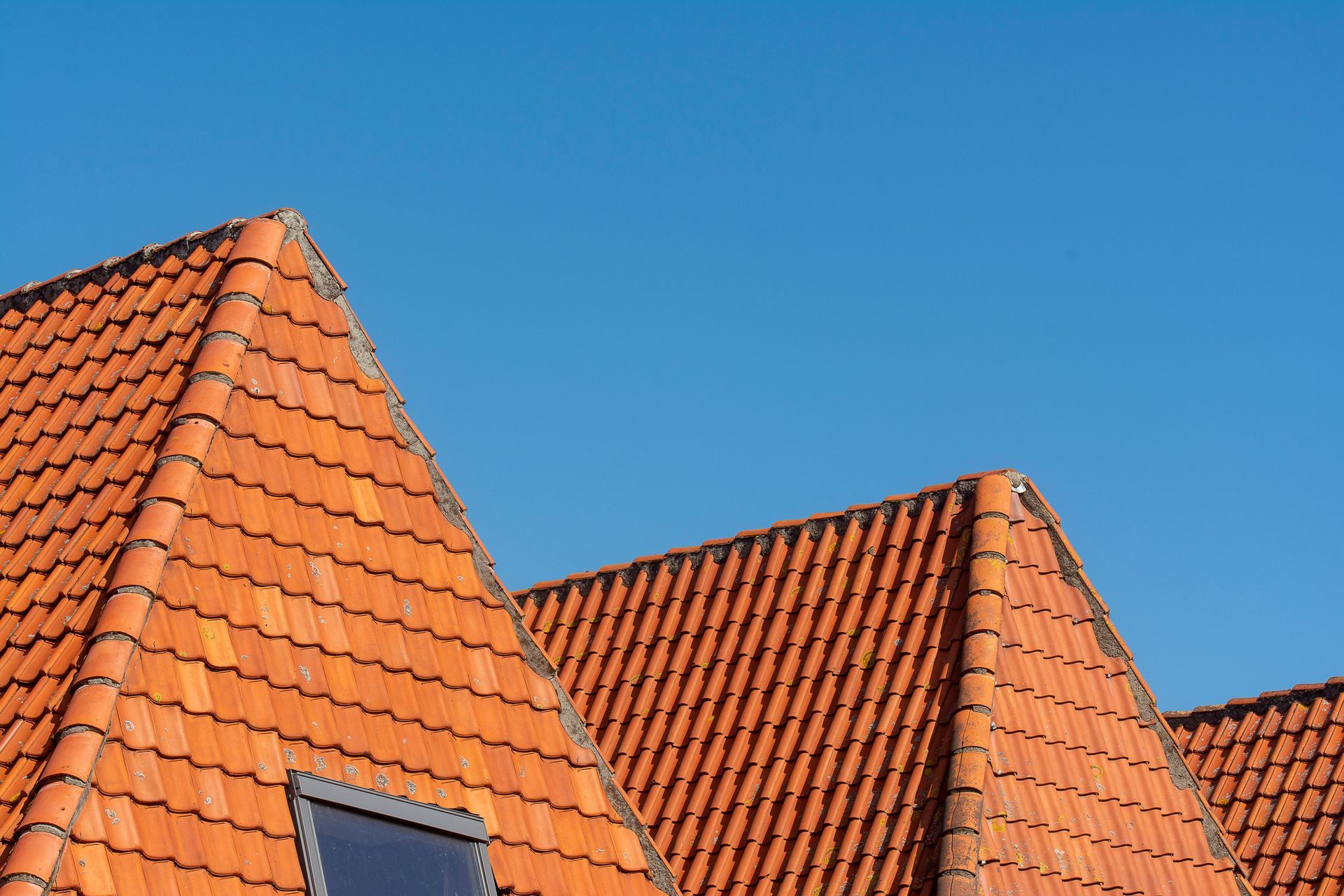
Before any water touches the roof, a good crew looks at what they are dealing with. That means checking the type of covering, whether Welsh slate or concrete tile, the pitch, the condition of the ridge and verges, and how much moss, algae and lichen has taken hold. It is also the moment to spot any slipped or cracked tiles that need flagging.
This first step shapes everything that follows. A roof heavy with moss needs a different plan to one with mostly surface algae, and an older slate roof calls for a gentler touch than a robust concrete one. Would you want someone starting work without really knowing your roof? A thorough look at the outset is the mark of a job done properly.
2. Protecting your property and setting up safe access
Next comes preparation on the ground. The crew sets up safe access to reach the roof, whether that is towers, ladders with stabilisers or a reach system, chosen to suit the height and the layout of your Plymouth street. On a tight terrace this planning matters as much as the cleaning itself.
Your property is protected too. Borders, paths, drains and delicate plants are covered or managed so nothing is harmed by falling debris or run off. Good preparation is quiet and unglamorous, but it is what separates a tidy, respectful visit from a messy one that leaves you clearing up afterwards.
3. Removing the moss gently
With everything ready, the growth is removed using low pressure water rather than a high pressure blast. This lifts the moss and loosens the algae without stripping the surface of the tiles or forcing water up underneath them. On established moss, the bulk is carefully cleared so the treatment can then reach what remains.
This is the stage people picture when they imagine roof cleaning, but the skill is in the restraint. The aim is to clean thoroughly while treating the roof kindly, working with the covering rather than attacking it. It takes longer than blasting, and that patience is exactly why the roof stays sound.
4. Applying the biocide treatment
Once the moss is removed, the biocide is applied across the roof. This is the part that makes the difference between a clean that lasts and one that fades within months. The treatment gets to work on the remaining algae, lichen and spores, killing the growth at the root rather than just clearing the surface.
The biocide is applied carefully and at the right strength, with your surroundings protected throughout. It does not deliver an instant sparkle in the way a jet wash appears to, because much of its work happens gradually. That slow, thorough action is precisely what keeps a Plymouth roof clear through our damp, growth friendly climate.
5. Clearing the gutters and tidying up
A proper clean does not end at the tiles. All the moss and debris that has come off the roof needs collecting, and the gutters are cleared of the material that has washed down into them. Blocked gutters are a common cause of damp and overflow, so this step protects the wider property.
The crew then tidies the grounds, removing coverings and clearing away any mess so your garden and paths are left as they found them. A good company treats the clean up as part of the job, not an afterthought. You should be left with a fresh roof and no reminder of the work below it.
6. What happens in the weeks afterwards
Here is the part that surprises many first time customers. The roof often continues to improve for weeks after the visit. As the biocide keeps working, remaining algae and lichen fade and wash away naturally in the rain, so the roof looks better a month on than it did on the day.
This is a sign the treatment is doing its job at the root, not just on the surface. It is also why a professional soft wash keeps a roof clear for years rather than months. The real result is not just what you see when the crew leaves, but what you see through the seasons that follow.
- Inspection: the roof type, pitch and growth are assessed and any damage flagged before work begins.
- Protection and access: safe access is set up and your borders, paths and drains are covered.
- Gentle removal: low pressure water lifts the moss without harming the tiles or slates.
- Biocide treatment: the growth is killed at the root so the roof keeps clearing and stays cleaner for longer.
Frequently Asked Questions
How long does a roof clean usually take?
It depends on the size, pitch and amount of growth, but most domestic roofs are completed within a day. Heavier moss or awkward access can extend the time needed.
Do I need to be home while the work is done?
Not usually, as the work happens outside. Many people are happy to leave the crew to it, though it is sensible to be reachable in case anything needs discussing.
Why does the roof keep improving after the visit?
Because the biocide continues to kill the algae and lichen at the root. Over the following weeks the treated growth fades and washes away in the rain, so the roof looks steadily better.
Will the cleaning make a mess of my garden?
It should not. A professional crew covers and protects borders, paths and drains, then clears all debris and tidies up, leaving your grounds as they found them.
Is my type of roof suitable for soft washing?
Almost certainly. Soft washing suits the Welsh slate and concrete tiles common across Plymouth, as the low pressure method and biocide are gentle enough for both.
Ready to see what a proper clean can do?
Ben's Roof Cleaning brings over 15 years of experience in safe, effective roof cleaning across Plymouth and the surrounding area. Get in touch or call 01752 427649
for a free, no-obligation quote.
A good clean is a process, not a quick spray
Now that you know the steps, a professional roof clean is far less of a mystery. It is a careful sequence of inspection, protection, gentle removal, treatment and tidy up, followed by weeks of quiet improvement as the biocide does its work. Understanding the process is the easiest way to recognise a job that has been done properly on your Plymouth home.